Saturday, April 27, 2013

Succulent Gardens

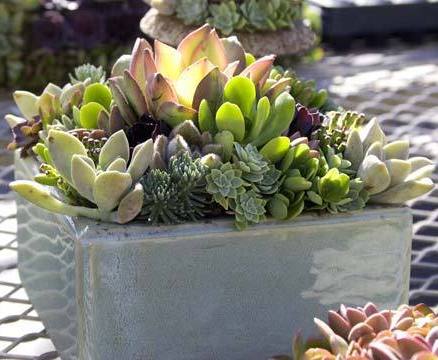
Bowls of easy-care succulents are guaranteed conversation starters at outdoor gatherings.


In hues ranging from pale blues & greens to deep oranges & reds, these live succulents display an amazing array of nature’s colors. An ideal gift for a garden enthusiast, they are artfully arranged in a clay planter . An impressive Mothers Day gift or simple pleasures for your own backyard. Mature, stunning and in limited supply for the coming holiday – hurry!


http://wattersgardencenter.com/honor/succulent-gardens/ Succulent Gardens

Friday, April 26, 2013

”Early-Bird” Gardeners can plant Tomatoes NOW ! !

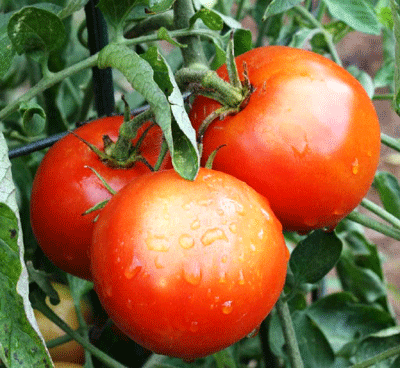
Tomato_cluster_on_the_-vineIn fear that a late frost would damage young plants, we’ve been holding back our spring stock until now.  That’s no longer the case.  It’s time to update flowerbeds and containers and time to get after the vegetable garden! This is the week that garden centers are at full plant capacity. You will find a glut of plants overflowing into parking lots and greenhouses, just waiting to be ‘taken home’.


Among the most sought-after plants of the season are tomatoes, the stars of most kitchen gardens. Because tomatoes can be planted now, they have taken over garden centers’ display benches. Whether you are a first-time tomato gardener or had some problems last year, here are some tips for tomato harvest success.


Best Varieties – Choosing climate-appropriate varieties is a must. To guarantee crop success, be sure to select from medium-sized tomatoes like Champion, Celebrity, Early Girl, and Better Boy. Also, any of the smaller varieties like yellow pear, cherry tomatoes, and Sweet 100′s perform exceptionally well in our area. Because of cold night temperatures at this altitude, varieties bearing larger tomatoes tend to struggle, but with a bit more TLC it is possible to grow tomatoes the size of your fist.


Composted Mulch – Tomatoes enjoy a rich garden soil that drains well. Be careful not to add too much manure, which has a high content of nitrogen.   Tomato plants in nitrogen-rich soil result in huge vines with little fruit growth. You want to starve tomatoes of nitrogen and give them plenty of phosphorus, the element indicated by the middle of the three numbers shown on a fertilizer bag. Phosphorus helps plants produce more roots and fruits, which is exactly what we want for productive tomato plants.


Nutrition Supplements – Along with compost and mulch consider turning into the soil some bone meal, 0-10-0, or super phosphate, 0-18-0. These additives encourage larger, better tasting fruits. Gypsum is also recommended to produce superior tomatoes. Gypsum is made of calcium sulfate, which reduces blossom end rot and fruits that split open. Sprinkle a little gypsum in the bottom of the planting hole, cover it with just a little dirt, then top dress with a “Tomato & Vegetable Food”.


Plant Deep – Always plant a tomato as deeply as possible. Tomatoes are one of the few plants that will root from the hairs on the vine. Prune off the side shoots and leaves from the bottom of the plant, 2-6 inches above the root ball. Then plant the vine as deeply as possible, but don’t bury the attached leaves. Roots will begin to grow quickly from up and down the buried stem. This will develop a larger, deeper root structure, which is exactly what a tomato plant needs to contend with the arid months of May and June.


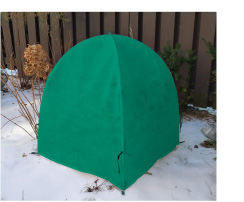
Warm the Soil – Right now soils can be cool for these first summer vegetable plants.  To plant tomatoes now,  we must warm the soil quickly and protect the plants by surrounding them with an ‘Early Season Plant Protector’.  The water-filled tubes of these protective structures surround new plants and form mini greenhouses promoting deeper, stronger root formations for this early planting.  They really work.  frost_protectorTruly, in the past I’ve had snow hit my garden, and plants surrounded by these protective barriers have kept on fruiting!

Another quick and easy plant protector is the ‘Nuvue Frost Cover’. These spring-loaded mini pop-up greenhouses are made of green frost blanket.  Plant the garden and then cover it with these protectors against cool temperatures and early spring bugs.


Either the ‘Early Season Plant Protectors’ or the ‘Nuvue Frost Covers’ are worthwhile investments, as they are reusable for years.  Either of these products will enable you to plant your tomatoes now and expect your harvest a full month ahead of the neighbors’!


~~ ~~ ~~ ~~ ~~ ~~ ~~


Bowls of easy-care succulents are guaranteed conversation starters at outdoor gatherings.

Bowls of easy-care succulents are guaranteed conversation starters at outdoor gatherings.


Plant of the Week – Unrelated to tomatoes, this week’s photo is a decorative bowl of succulents grown with Mother’s Day gifting in mind. The leaves of these somewhat exotic-looking plants grow in an amazing array of colors ranging from pale blues and greens to deep oranges and reds. Most have a cactus-like bloom in vivid florescent colors.


Succulents come in both long-living perennials, like ‘Chicks-and-hens’ that are well known for their durability and easy care, as well as annual “showboating” varieties.  Selecting from both varieties offers a long list of choices. The perennial varieties enjoy a winter hardiness that no cactus ever could muster; many can tolerate temperatures well below zero and remain evergreen throughout winter.  Succulents are excellent rock garden plants in places where neglect, summer heat, wind, and winter cold are commonplace. They are easy plants to use in those all-too-familiar and deadly hot spots of our yards.  An ideal gift for garden enthusiasts, I also find that a container of these unusual plants makes an excellent conversation starter at backyard gatherings.


Until next week, I’ll see you in the garden center.


http://wattersgardencenter.com/2013/early-bird-gardeners-can-plant-tomatoes-now/ ”Early-Bird” Gardeners can plant Tomatoes NOW ! !

Saturday, April 20, 2013

Moonshine Yarrow

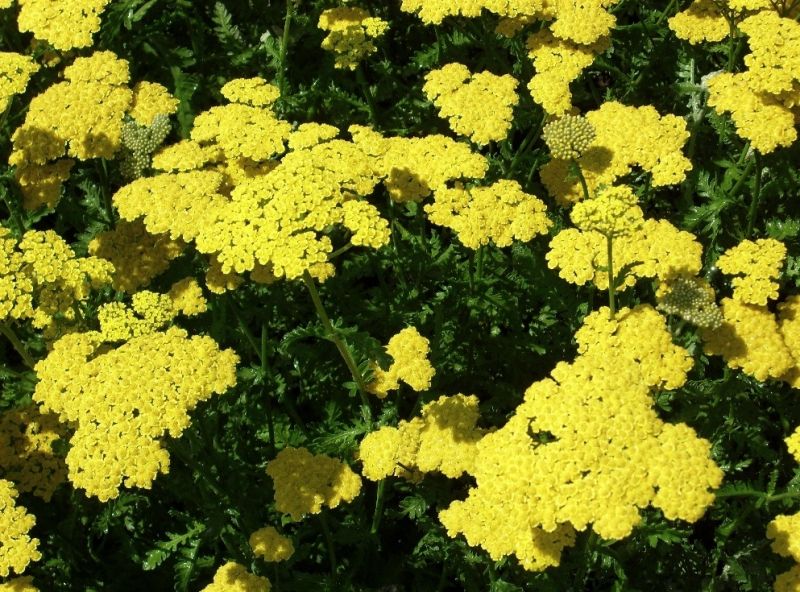
Moonshine YarrowThis Arizona native is as soft as a baby’s bottom and glows gold under the ray of the moon. Day or night, no other native blooms longer. Works beautifully in Western dryland gardens where it naturalizes much like a wildflower, and once established requires little, if any, care. The blooms rise up knee high under the full moon and as cheery as a yellow canary during the day. Part of Watters ‘Western Native’ collection.


http://wattersgardencenter.com/honor/moonshine-yarrow/ Moonshine Yarrow

Friday, April 19, 2013

Free Design Fridays with Rich Olson

Landscape DesignOur first Free Design Friday was tremendously popular!  So much that designer, Rich Olson, is asking that you send an email with a photo of your landscape area in advance to minimize wait time.  Please email your photo and dimensions of the area to: info@rdolsondesigns.com by Thursday.


Rich Olson


Details:

Rich was such a huge hit teaching our Design and Raised Bed Gardening classes, that we’ve invited him back for more.  Join us for free one on one professional design sessions with Rich Olson, using his 3-D design software.


Free Design Fridays, each Friday starting April 19, 2013, from 10 AM to 2 PM in front of the greenhouse.


http://wattersgardencenter.com/2013/free-design-fridays-with-rich-olson-2/ Free Design Fridays with Rich Olson

Use Low Care Natives for Stylish Local Gardens

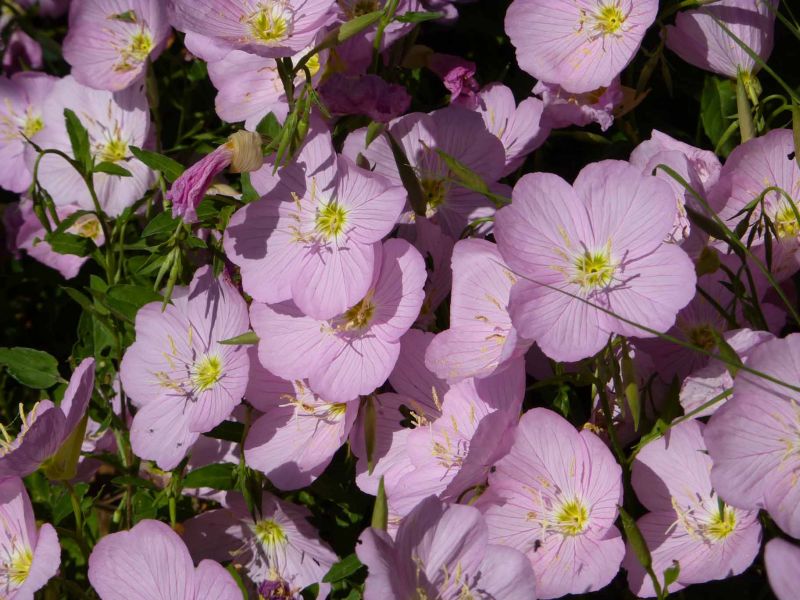
The Mexican Primrose blooms pink most the year

The Mexican Primrose blooms pink most the year


The romance of the arid western part of our country has attracted visitors for decades. Of course, these days the Southwest with its bright sunny days, a desirable quality of life, and very reasonably priced homes is irresistible to those looking for a new place to live. But I still am surprised at the number of new residents moving to the high country of Arizona.


This week alone I met newbies from Ohio, New York, Alaska, Oregon, Virginia, and Texas, and those are only the states that I can call to mind “right off the top of my head”.  Gardeners new to the area often try to bring their landscapes with them, including the plants they loved back home. Admittedly, we have such a mild climate that our plant selection is greater than that in other parts of the country.  However, not all plants from other states do well in our extreme climate.


I find most gardeners new to the area want to landscape with natives but the choices seem too few, and sometimes too stark for adapting tastes. But, new-to-the-area gardeners can have fun designing with all the plants, textures, and styles new to them. Just include most Rocky Mountain natives with a few super- tough transplants from abroad and gardening choices can be equally Arizona hardy and interesting. Of special consideration should be Western native plants. I have a list of my preferred ‘Western Native’ selections, but there are far too many to list in this column. The in-depth list, entitled “Yavapai Friendly Plants”, is free for the asking the next time you visit the garden center.


For today’s column I’ve put together an abbreviated list that features a couple of native trees, a few shrubs, and some super blooming perennials.


Native Trees – Most of us don’t think of Arizona Aspens as local plants, but bear in mind that Aspen creek is within a local walking trail. With their famous paper white bark these tall trees are striking plants.  Nature has designed them to take on local thick soils and our extreme winds.  Make sure to stay away form the European or Swiss varieties; they don’t grow well here.


Although shaped much like the east’s most famous low water user, the Eastern redbud, Desert Willow is 100% Arizonan. This summer-loving tree grows wild throughout the region with deep-throated purple-and-white flowers that show all summer.  Hummingbirds flock to our area just for its nectar!  Encourage this 12′ tree to grow up to size, then cut it completely from all irrigation and watch it thrive.


Native Shrubs – These are fun to play with because of their great variety of textures, shapes, and sizes.  The most famous is the Apache Plume.  This tough local native forms small white flowers resembling single rose blooms; they are followed by attractive fluffy white plumes that persist throughout the fall. This hip- high bloomer is often covered in white flowers and white plumes at the same time.  Use it in the most hot, dry, and inhospitable places, around landscape boulders, rock gardens, and behind drystone walls.


Gray Leaf Cotoneaster is an equally hardy evergreen shrub that boasts classic Arizona blue foliage year round.  With its white spring flowers that form red berries, it guarantees interest throughout the year.  Very tough and perfect for windy hilltops, it’s also suited for areas troubled by javalinas. They despise the texture and flavor of this Western native!


You can’t mention Arizona shrubs without suggesting an agave or yucca.  The Artichoke Agave grows on most hilltops in the area.  These spiny, knee-high plants require virtually no care when fully rooted.  This variety forms the 10′ tall white flower that is so impressive.  It also is a striking sight in containers in a classic Southwest courtyard.


Brakelights Yucca – Vibrant, brake light red blooms cover this plant from summer through autumn.   This compact new selection rarely sets seedpods, meaning more prolific flowering over an exceptionally long season. As many other Western Natives it’s spectacular as a container specimen.


Native Perennial Flowers – Starting to bloom vigorously is the ‘Red-Headed Beauty’ penstemon.  It is so happy in the garden it frequently reseeds and multiplies.  Hummingbirds are distracted from their bickering antics when this unique, deep red flower begins to bloom.


Moonshine Yarrow – this Arizonan is as soft as a baby’s bottom and glows gold under the rays of the moon. Day or night, no other native blooms longer. Works beautifully in Western dry land gardens where it naturalizes much like a wildflower, and once established requires little if any care. The knee-high blooms are visible under a full moon and are as cheery as a yellow canary during the day.  This is a very easy to grow plant that blooms pink most of the year.  Look for more photos on my Facebook page at www.facebook.com/watters1815 .


~~ ~~ ~~ ~~ ~~ ~~ ~~


Free Gardening Class – April 20th’s class, “How to Grow and Use Native Plants”, will start promptly at 9:30 am in Watters’ back greenhouse. Take in this class if you’d like more ideas for the wilder parts of your landscape.  On April 27 the class subject will be, “Growing Easy Care Flowers and Roses this Spring”.


Until next week, I’ll see you in the garden center.


http://wattersgardencenter.com/2013/use-low-care-natives-for-stylish-local-gardens/ Use Low Care Natives for Stylish Local Gardens
Thursday, April 18, 2013

Raised Bed garden advice by Jamie Durie


Great garden advice from


http://wattersgardencenter.com/2013/raised-bed-garden-advice-by-jamie-durie/ Raised Bed garden advice by Jamie Durie

Wednesday, April 17, 2013

Frost Warning above 4500' elevation tonite

frost warning alert

frost warning alert


Severe Frost Alert! 


Tonite in the Prescott areas will drop to 27 degrees.  Make sure to hydrate plants, cover new garden plants and the fruit trees you want to save.  Use frost cover, NuVue plant covers, sheets and blankets.  Do NOT use plastic this evening.


Looks like beautiful spring weather after tonight.


http://wattersgardencenter.com/2013/frost-warning-above-4500-elevation-tonite/ Frost Warning above 4500' elevation tonite