30 second plant tip of the day – Sycamore Tree
http://wattersgardencenter.com/2013/sycamore-tree/ Sycamore Tree
30 second plant tip of the day – Sycamore Tree
30 second plant tip of the day – Jubilee Blueberry
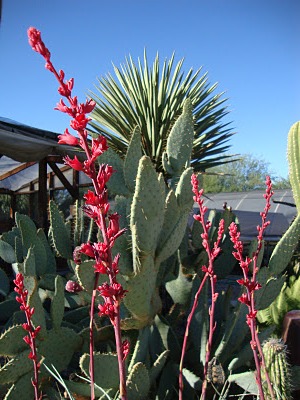
30 second plant tip of the day – Red Yucca in the landscape
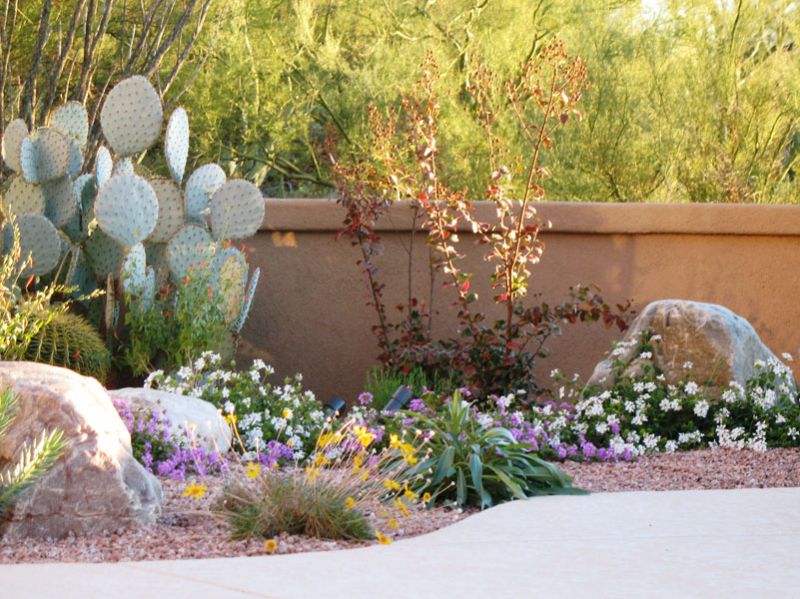
4 Low Care Principles – The principles listed will help you reach your goal of an attractive, low maintenance garden.
1.) Choose plants that are known to be reliable and problem free for your area, and varieties that won’t outgrow the space you’ve allotted to them.
Considering the bewildering array of plants available at the garden center right now, choosing the best for your needs will require a little guidance. Start by making a list of plants you like. With camera phone in hand look around the neighborhood and photograph plants that appeal to you. Take along the pictures when you ask your favorite garden expert for proper identification. Consult gardening books, magazine articles, and the web to learn about the plants on your list. Enlist the help at a garden center to learn how well local conditions suit each plant.
A common mistake is to choose plants that look just right on planting day, and then rapidly outgrow their spaces, creating a continual maintenance headache. Unlike an interior design that looks best the day it is installed, a landscape design should look its best several years later.

Named varieties offer resistance to pests and diseases that plague the common species. Examples include ‘Prairifire‘ crab-apple which is resistant to both apple scab and fire blight, and ‘Knockout‘ rose which is rarely troubled by powdery mildew, a common rose disease. Choosing disease resistant varieties will result in fewer pests, which ultimately translates into lower maintenance and less care.
Some dwarf conifers, such as ‘Globe’ spruce, grow very slowly, as little as one inch per year. Such slow growers are more expensive initially because a plant that is only 4 to 6 feet tall may be 10 to 15 years old. Growers have invested as much time and materials in these as in plants that are much larger. The initial extra cost pays off over time because such plants need minimal if any pruning.
2.) Prepare the soil well before planting so plants get a strong start.
Mulch is a very effective weed deterrent. Spread a 2-3” inch layer of shredded cedar bark around plants. Cedar bark, as opposed to nuggets, chips, or additional rock provides the best coverage and, in my opinion, looks the best. As mulch breaks down it adds organic matter to the soil; it also shades roots in summer and acts as insulation in winter. I put down a fresh layer of mulch each spring with a light top dressing at the beginning of the season.
3.) Mulch and use soil moistening polymers to reduce weeds and conserve soil moisture.
4.) Use an automatic clock to run your drip irrigation lines.
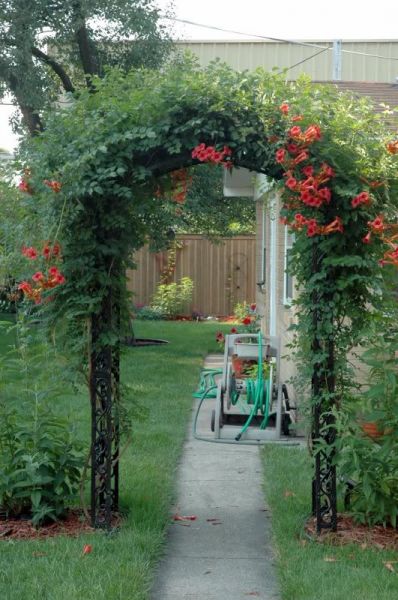
Even for plants requiring only minimal water, a drip-irrigation system on a timer eliminates standing in the yard with a hose to water plants. Since drip irrigation delivers most of its water underground, it really cuts down on the amount of water used and on weed growth, particularly during the dry summer months.
~~ ~~ ~~ ~~ ~~ ~~ ~~
Many more low care planting ideas are available by asking for my list of ‘Mountain Friendly Plants’ the next time you visit the garden center. Regular readers of this column know that it’s free for the asking.
~~ ~~ ~~ ~~ ~~ ~~ ~~
~~ ~~ ~~ ~~ ~~ ~~ ~~
Free Gardening Classes – The summer class schedule has been posted and starts today, Saturday, June 15 @ 9:30 a.m. Today’s free class is entitled “Bountiful Vegetable Gardens Sure to Produce”. On June 22 students will learn how to create “Containers that Bloom like Crazy”. Check out the entire summer class schedule at www.wattersgardencenter.com/category/classes.
Until next week, I’ll see you in the garden center.
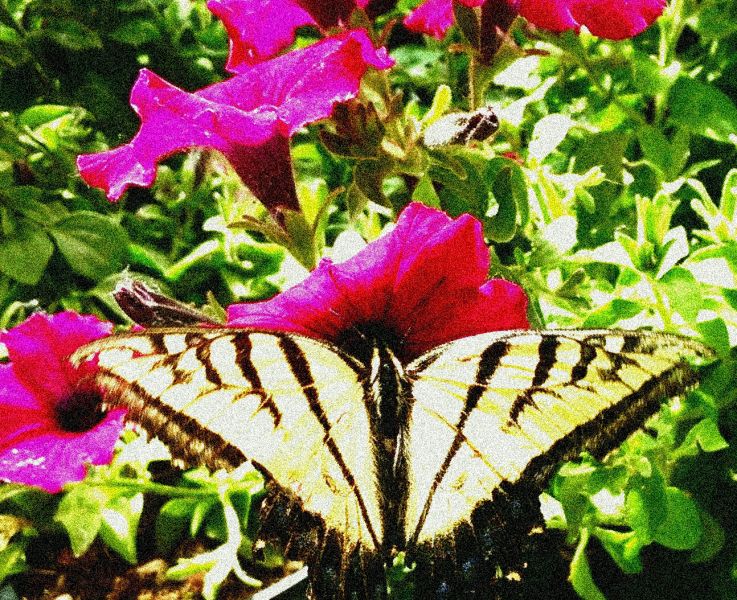
Gardening for butterflies is not only fun, but is the source of something beautiful and rewarding. It is easier than you might imagine to get these fairy-winged creatures to flutter your way. Butterfly larvae and caterpillars need plants for food, and adult butterflies need plant nectar. So, the ideal butterfly garden fulfills both of these requirements. It is simply a matter of choosing the right plants to attract them and then to encourage them to stay. Then you can sit back and let them entertain and amaze you.
Most inviting to butterflies are gardens with sunny areas sheltered from the wind, areas with garden mulch, rock crevices, brush piles, and yes, even some weeds. Because of the many different flowers in a good butterfly garden, it soon becomes a place of beauty. A butterfly garden can be any size: a window box, part of your landscaped yard, and even a wild untended area on your property.
Among the plants irresistible to butterflies and gardeners are:
Shasta Daisy – This perennial bloomer produces HUGE white flowers that are irresistible to anything with wings, and butterflies cannot stay away! The blossoms of this season-long bloomer have been exceptional this spring. A bonus characteristic of this popular plant is that rabbits, deer, and pack rats don’t care for this beautiful butterfly magnet.

Phlox – Throughout the summer its large beautiful clusters of red, pink and lavender flowers will enhance its surroundings. Delivering years of perennial enjoyment the blooms bring their fragrance and sweetness to the delight of butterflies and humans.
Echinacea – If you have a sunny spot that needs planting, there are lots of reasons to grow a purple coneflower. Butterflies of many varieties love sipping its nectar, and it is very heat and drought tolerant. Also, because it blooms all summer long it’s the perfect addition to a cutting garden.
Anise Hyssop – There also are lots of reasons to grow anise hyssop. Deer and rabbits leave it alone. Like the echinacea it is heat and drought tolerant, and blooms for weeks in late summer. Also, it’s a good source of cut flowers, and, of course, butterflies love it.
Salvia – There’s a salvia for every garden: some salvias are tall, others are short; some salvias have blue or purple blooms, and others have red, orange, or pink flowers. While you might have trouble choosing a salvia, the butterflies won’t – rest assured that whichever salvia you plant they’ll flock to it every summer.
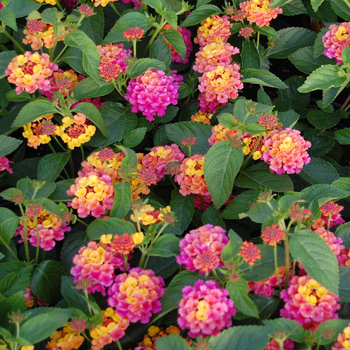
Pentas – An all-around garden champion, pentas bears clusters of star-shaped blooms in bright shades of pink, red, and white. It loves hot conditions, holds up to drought pretty well, and is a sure bet for attracting butterflies and hummingbirds looking for a snack.
Zinnia – Just about everyone loves zinnias, which is why they’re favorites of butterfly gardeners, cottage gardeners, and beginning gardeners. It blooms in an almost endless range of colors and, whether outdoors or in a vase, it looks good all summer long.
Black-eyed Susan – This tough perennial blooms in late summer. Its big, yellow, daisy-shaped flowers are as perfect for bouquets as it is for butterflies.
Fennel – This is the plant for adding texture to a garden. It’s also a surefire way to attract swallowtail butterflies, whose caterpillars munch on the fennel’s ferny foliage.
Verbena – This plant is perfect for cut bouquets because its blossoms will not be depleted. The more you cut, the more it blooms, guaranteeing a supply of lavender-purple blooms at the ready for butterflies to enjoy, too.

Gardening Class – June 15 is the first of a series of free summer classes for gardeners. Held in the comfort of Watters’ greenhouse, classes begin at 9:30 every Saturday morning. On the 15th the topic will be: “Bountiful Vegetable Gardens Sure to Produce”. At the June 22 class students will learn how to create “Containers that Bloom like Crazy”. Check out the entire summer schedule at www.wattersgardencenter.com/category/classes.
Until next week, I’ll see you in the garden center.
Check out this amazing drought hardy native flowering willow for the mountains of Arizona. This large shrub is not thirsty like the typical willow.
Fragrant Spanish Broom is blooming around town.

